Finishes and glue
PVA, hide glue and polyurethane: which joint gets which
Open time, gap filling, and whether the repair can ever be undone. The reason a restorer still keeps a pot of hide glue warm on the bench.
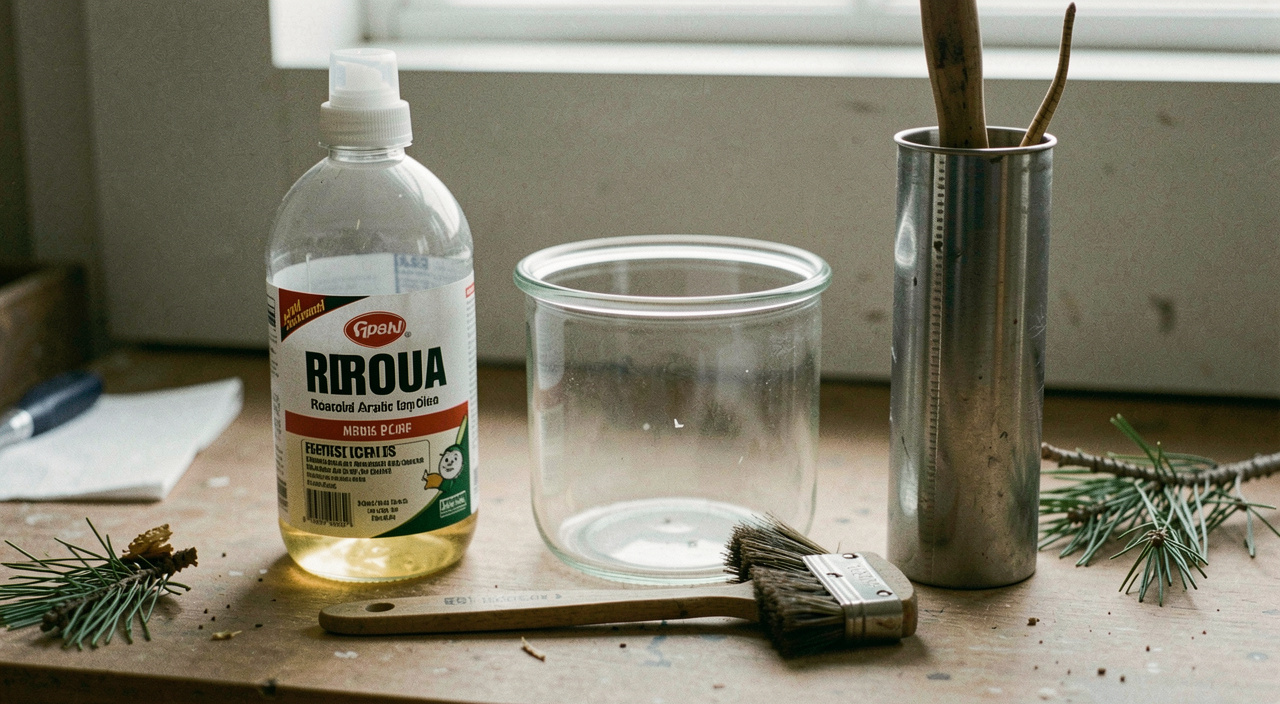
Three bottles cover almost every joint a household bench will ever make, and the differences between them are not really about strength. All three are stronger than the timber they join when the fit is good. What separates them is open time, what they do to a gap, whether they can be undone, and whether the joint will ever be finished over. Choose on those four questions and the strength looks after itself.
The four questions, and the honest answers
| Question | PVA | Hide glue |
|---|---|---|
| Open time at 20 degrees | 4 to 8 minutes | 8 to 12 minutes |
| Fills a gap | Poorly | Poorly |
| Reversible later | No | Yes, with heat and water |
| Takes a stain or finish | No, seals the grain | Yes, near enough |
| Clamp time | 1 hour, full strength in 24 | 3 hours, full strength in 24 |
| Shelf life once open | About a year | Around 12 months, watch for a smell |
Polyurethane is the third bottle and it sits outside that table because it works differently. It cures by reacting with moisture in the timber and in the air, it expands to about three times its volume as it goes off, and the foam it produces has almost no structural strength. It is waterproof, it sticks to almost anything including metal and stone, and it has a working time of around twenty minutes. Those are real advantages in the right place and a trap everywhere else.
Where each one belongs
PVA is the default and there is no shame in that. A modern D3 rated PVA is water resistant, costs very little, cleans up with a damp cloth and is stronger than pine, oak or beech. Use it for carcase work, for gluing up a panel, for anything that is going to be painted, and for any joint that will never sensibly need to come apart again.
Hide glue earns its place on furniture. It has three properties nothing else has together: it can be released with heat and moisture, so the next repair is possible; it sticks to itself, so a fresh coat bonds to the residue of the old one; and it does not seal the wood against stain and polish, so squeeze out that gets missed is not a permanent pale patch. Every one of those matters on a chair, which is why the chair reglue in this section uses it.
Polyurethane belongs on exterior joints, on anything that will be wet, and on jobs where two different materials meet: a timber batten to a masonry wall, a metal bracket into an end grain socket. It is also the answer for a lamination where the pressure is high and the fit is exact.
Foam is not gap filling
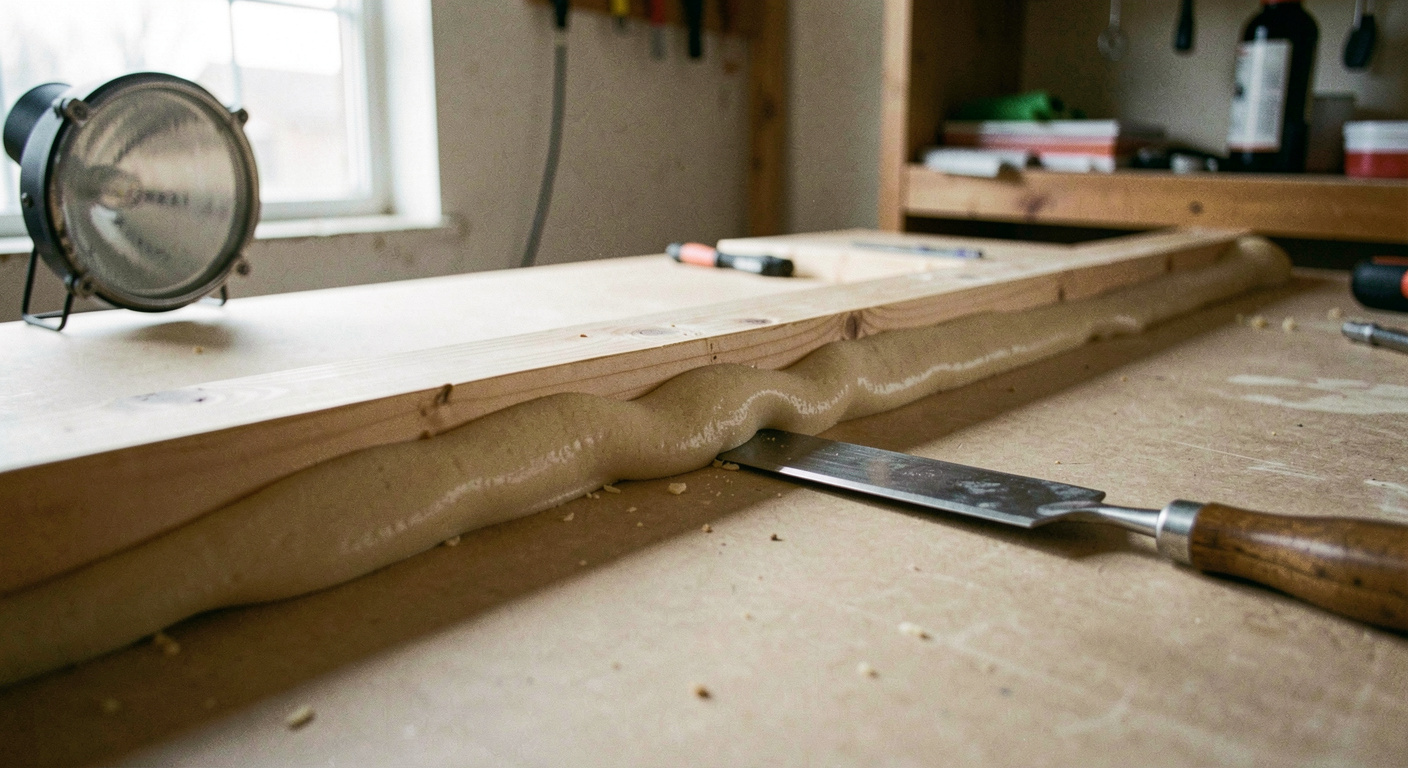
The most persistent mistake with polyurethane is treating the expansion as a way of filling a loose joint. The foam is closed cells with almost no shear strength. A slack mortice glued with it feels rigid for a season and then works loose exactly like the joint it replaced. Pack the gap with timber and use any glue you like.
Open time is the number that decides the job
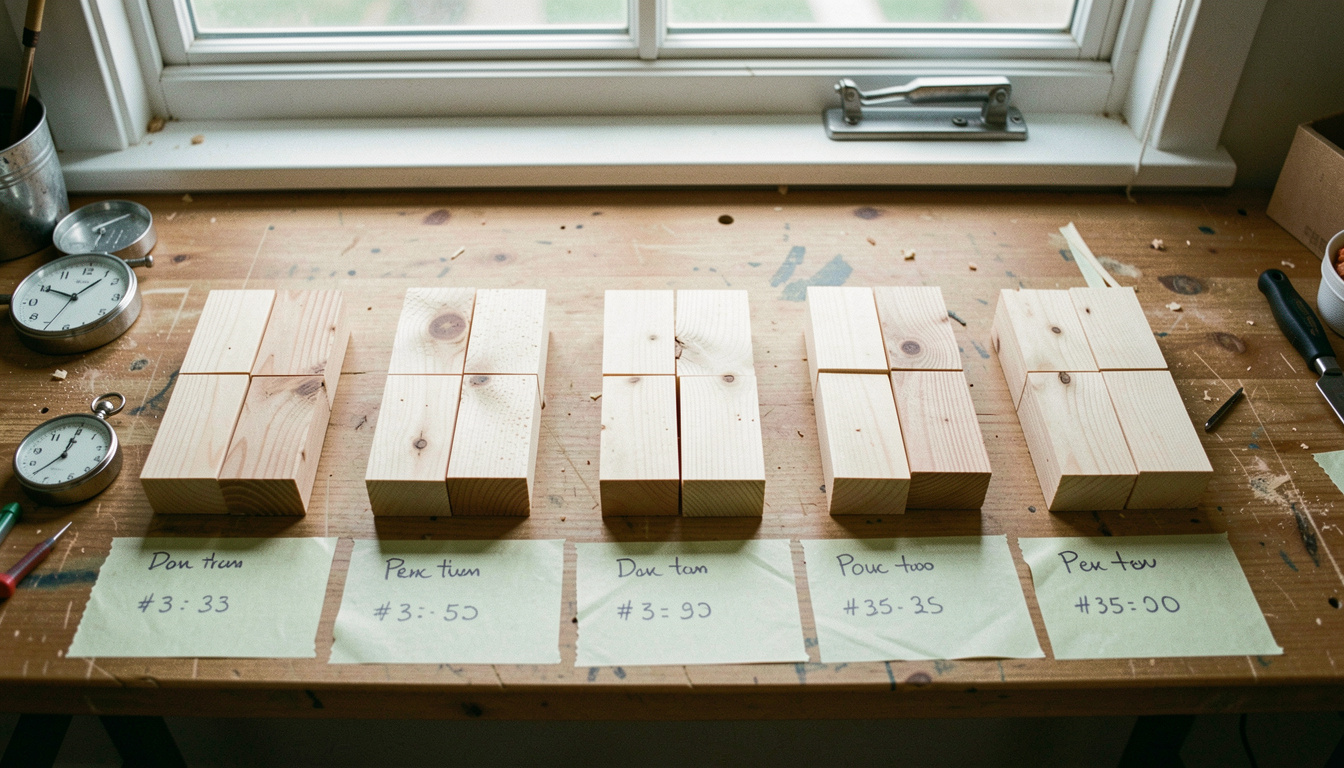
Open time is how long the glue stays wet enough to form a bond after it is spread, and it is shorter than most people think. On a warm day, PVA spread thinly on absorbent softwood can be past its useful point in four minutes. If a glue up takes seven minutes to assemble, the joints closed last are being made with glue that has already started to skin.
There are only three ways round this and all of them are worth knowing. Split the assembly into stages glued on separate days. Use a glue with a longer open time, which is where hide glue and the extended set PVAs earn their keep. Or cool the room and the timber, since open time roughly doubles for every eight degrees you drop.
- Dry fit the entire assembly with all the clamps and count the minutes on a watch.
- Add half again for the fumbling that happens when your hands are wet with glue.
- If the total is over two thirds of the stated open time, split the job.
- Lay out every clamp, cleaned and adjusted to roughly the right opening, before the bottle is opened.
Squeeze out, and why it shows up later
Glue on the outside of a joint is not a cosmetic problem while it is wet. It becomes one when the piece is finished, because PVA seals the grain and no stain, oil or wax will penetrate through it. The result is a pale halo round every joint, and it appears at the worst possible moment, three coats into a finish.
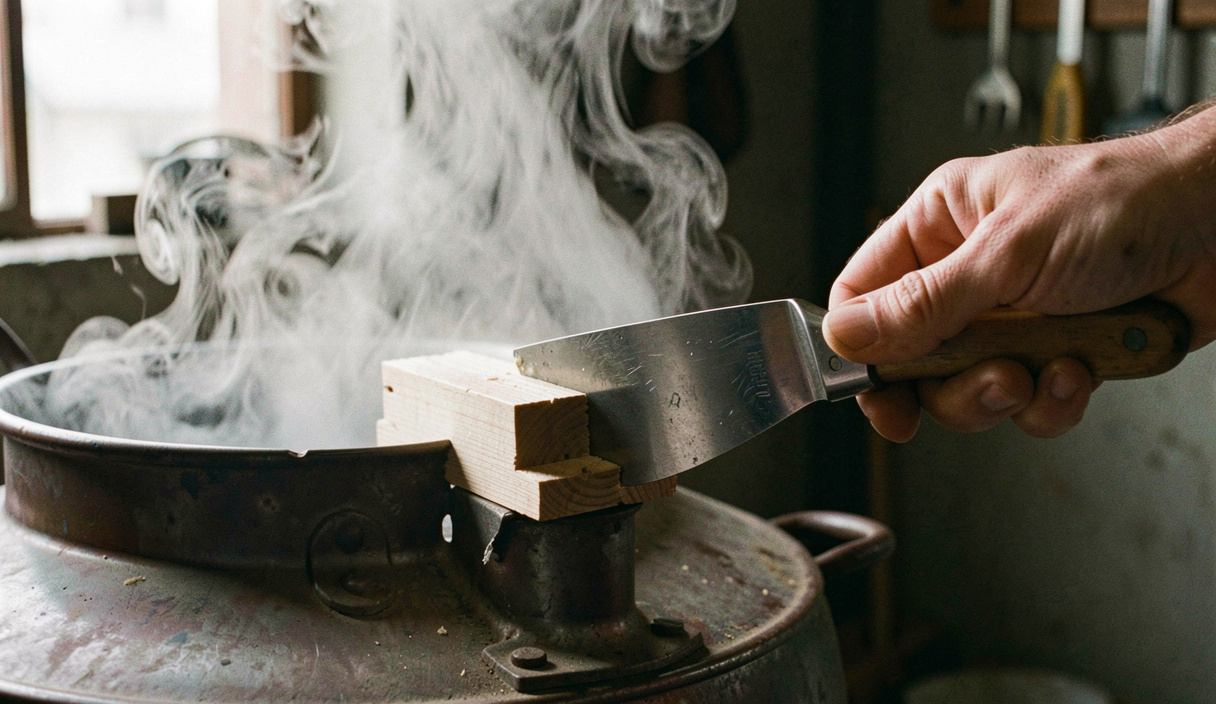
The reliable method is to leave the beads alone until they have gone rubbery, roughly twenty minutes for PVA, and then slice them off cleanly with a chisel held flat. Wiping wet glue with a damp cloth spreads a thin film of it into the surrounding grain, which is exactly what you were trying to avoid. Hide glue is the exception: wipe that one wet, with hot water, because it does not seal the wood in the first place.
Storing them, and knowing when they have gone
- PVA is ruined by freezing. A bottle left in a cold garage over winter goes lumpy and never recovers.
- Liquid hide glue has a real shelf life. If it smells sour or has thickened to a jelly that will not run off a brush, it is done.
- Polyurethane cures in the bottle from the moisture in the air above it. Squeeze the air out before capping and it lasts far longer.
- Write the date of opening on every bottle with a marker. It is the only way to know.
One last practical point that applies to all three. A glued joint fails at the weakest surface in it, and on a repair that surface is nearly always old glue, dust or a burnished face rather than the adhesive itself. Time spent scraping back to clean wood does more for the strength of a repair than any choice between bottles. The finish that goes over the top afterwards is a separate question, and the entry on oils covers how long it wants before it meets a wet dish.
Read next on the bench
The other finishing and adhesive entries are listed in date order in the section index.
Back to Finishes and glue